
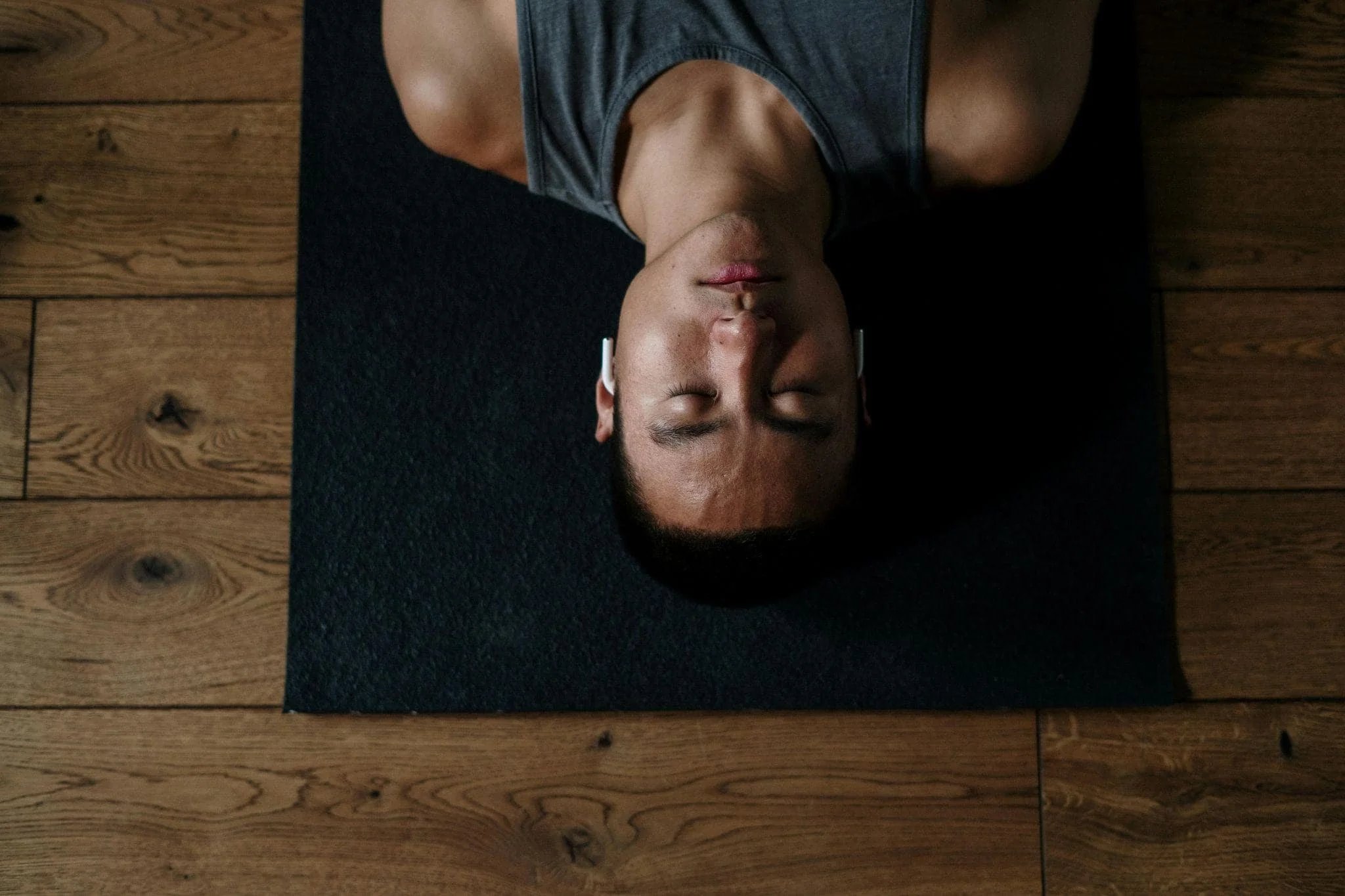
It is not perfectionism, it is physiology. Your body responds best when you breathe in a specific slow range, about six breaths per minute for many people. Hitting that pocket boosts heart rate variability, HRV, calms the nervous system, and helps you feel steadier. Our device is not grading you for fun, it is helping you land in the pocket and stay there.
What’s Special About ~6 Breaths per Minute?
Scientists call it resonance frequency, a tempo where your breathing and heart rhythm naturally sync, amplifying a calming reflex called the baroreflex. When you are near your personal resonance, HRV tends to rise and your system shifts toward “rest and digest.”
Why a Timer Alone Can Miss the Mark
Most apps play a pleasant animation or chime, helpful, but without feedback you might drift faster, breathe a little too deep, or hold too long, sometimes enough to wash out CO₂ and feel less calm. Real time feedback keeps your breathing efficient and comfortable.
“Match Score,” Explained
Our match score watches how closely your inhale, hold, exhale, hold phases line up with the target pattern, like staying on beat in music. Higher scores mean better synchrony, which is linked to stronger calming effects. Think of it as gentle coaching that helps you keep the groove.
Do Mindfulness Apps Work?
Yes, mindfulness apps, like Calm, can reduce stress for many people. We are fans. But most do not measure whether your breathing actually hits your optimal zone. We are complementary, use your favorite app for meditation, and use Respa when you want precision breath training backed by sensors.
Takeaway
Breathe slow, and breathe smart. Aim for the pocket, and let technology keep you there, so your time spent breathing really pays off.
Further Reading
Lehrer PM, Gevirtz R. Heart rate variability biofeedback, how and why it works. Frontiers in Psychology, 2014.
Shaffer F, Meehan Z. A practical guide to resonance frequency assessment for HRV biofeedback. Frontiers in Neuroscience, 2020.
Zaccaro A et al. How breath control can change your life, a systematic review on psychophysiological correlates of slow breathing. Frontiers in Human Neuroscience, 2018.
Meuret AE et al. Feedback of end tidal pCO₂ as a therapeutic approach for panic disorder. Applied Psychophysiology & Biofeedback, 2007.
O’Daffer A et al. Efficacy and conflicts of interest in RCTs evaluating Headspace and Calm. JMIR Mental Health, 2022.
Macrynikola N et al. The impact of mindfulness apps on psychological processes of change, a systematic review. npj Mental Health Research, 2024.