Breath as sacred, the spiritual history of breathing across world religions and what it means today
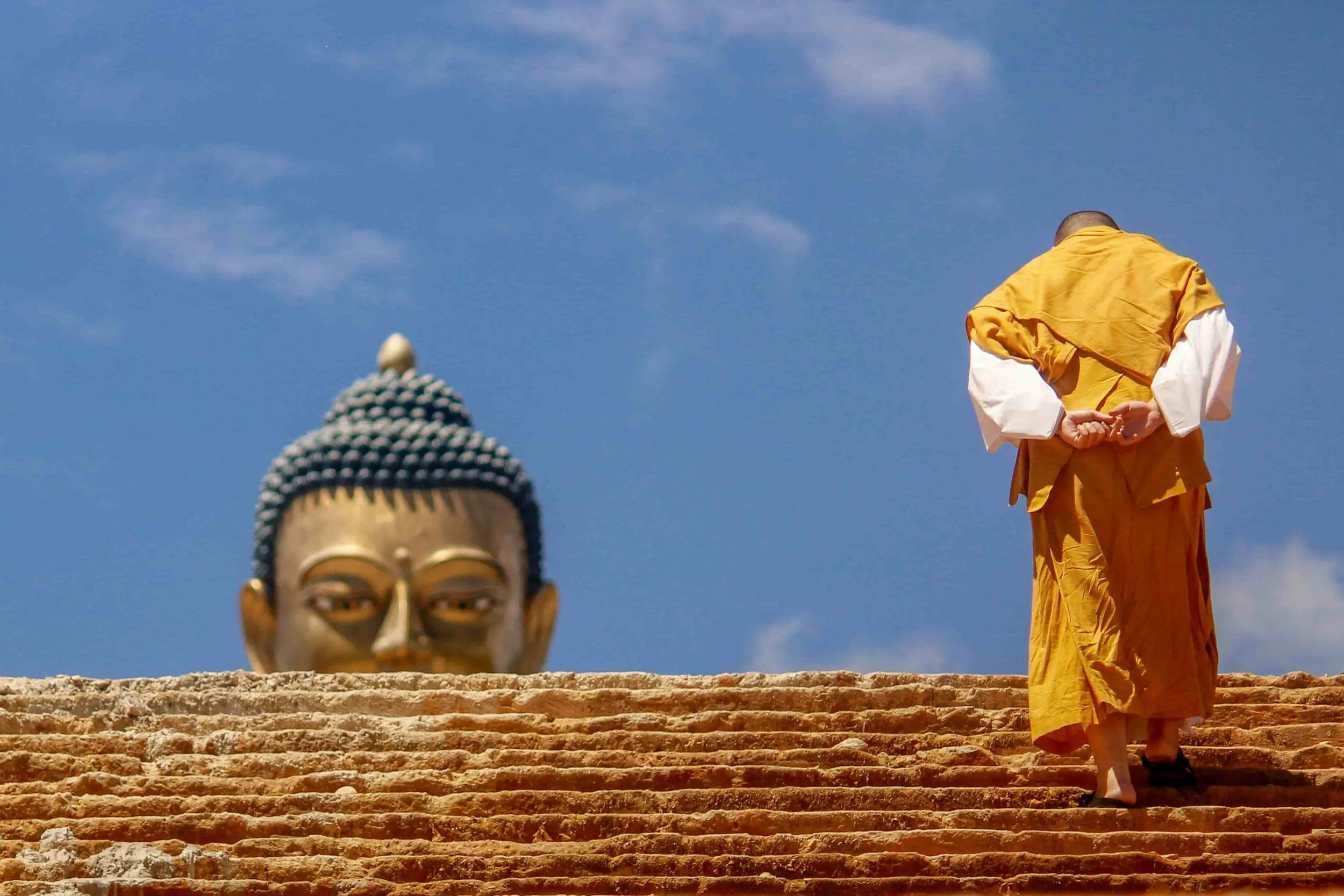
The sacred meaning of breath across civilizations
Long before modern neuroscience, wearable sensors, or guided breathing apps, humanity understood one profound truth: breath is life. Across civilizations, breath has symbolized spirit, divinity, consciousness, and connection to something greater than ourselves. In nearly every major religious tradition, breath is more than oxygen exchange, it is sacred.
Today, science confirms what spiritual traditions have taught for thousands of years: controlled breathing influences the nervous system, emotional regulation, and mental clarity. As modern tools like Respa Mindfulness help quantify breathing patterns, we are not inventing something new, we are rediscovering ancient wisdom through measurable insight.
Christianity, the breath of life in scripture and contemplative practice
In the Book of Genesis 2:7, it is written that God "breathed into his nostrils the breath of life; and man became a living soul." The Hebrew word "ruach" means both breath and spirit. In Greek, "pneuma" carries the same dual meaning, breath and spirit. This linguistic overlap is not accidental. Breath was understood as the animating force of life.
Christian contemplative traditions, including monastic prayer practices and modern centering prayer, often incorporate slow, rhythmic breathing. Breath becomes a vehicle for surrender, stillness, and communion. Even phrases like "receiving the Holy Spirit" reflect a deep metaphorical and physiological connection between breath and divine presence.
Hinduism, prāṇa and the science of pranayama
In Hindu philosophy, prāṇa is the vital life force carried through breath. The ancient Yoga Sutras of Patanjali describe pranayama, regulated breathing, as a critical step toward mastery of mind and body. These practices are not casual exercises, they are structured disciplines developed over millennia.
Techniques such as alternate nostril breathing, Nadi Shodhana, extended exhalations, and breath retention were designed to influence energy flow and mental clarity. Modern physiology now shows that slow breathing stimulates the vagus nerve and improves heart rate variability, scientific correlates to what yogis described as balance and harmony.
Buddhism, mindfulness of breathing, anāpānasati
In Buddhism, mindfulness of breathing, Anāpānasati, is foundational meditation practice. The Buddha taught that awareness of inhalation and exhalation cultivates insight, tranquility, and liberation from suffering. Breath serves as an anchor to the present moment.
This simplicity is powerful, no tools, no rituals, just attention to the natural rhythm of breathing. Modern mindfulness-based stress reduction, MBSR, used in hospitals and therapy settings worldwide, draws heavily from these principles.
Judaism, breath and the soul
In Jewish tradition, the word "neshama" means both breath and soul. The divine name itself, YHWH, has been interpreted by some scholars as echoing the sound of breathing, an inhale and exhale. The implication is profound, every breath is a reminder of divine presence.
Breath also plays a role in prayer and chant, where rhythm and cadence reinforce spiritual focus. The act of breathing mindfully becomes an embodied expression of faith.
Islam, breath in prayer and remembrance
In Islam, structured daily prayers, Salah, incorporate intentional posture and measured recitation, which naturally influence breathing rhythm. Dhikr, remembrance of God, often synchronizes breath with sacred phrases. Breath regulates calmness and focus during devotion.
The integration of breath and prayer highlights a universal truth, spiritual awareness is inseparable from physiological awareness.
Ancient wisdom meets modern science
What religious traditions intuitively understood is now validated by research. Slow breathing, typically around 5–6 breaths per minute, has been shown to increase heart rate variability, improve emotional regulation, and reduce stress markers. Neuroscientific studies reveal that breath rhythm directly influences brain activity in regions associated with fear, memory, and focus.
In other words, breath is not symbolic alone, it is biological power.
Respa Mindfulness, quantifying an ancient practice
Respa Mindfulness does not replace spiritual tradition. It complements it. By placing a lightweight sensor on the torso, where breathing actually occurs, Respa tracks the expansion and contraction of the chest and diaphragm. It provides real-time feedback and guided sessions that help individuals refine their breathing patterns.
For those who already practice prayer, meditation, yoga, or contemplative breathing, Respa adds measurable insight. For those new to breath awareness, it offers structured guidance rooted in both ancient wisdom and modern physiology.
A universal human thread
Across Christianity, Hinduism, Buddhism, Judaism, Islam, and beyond, breath remains the universal thread connecting body, mind, and spirit. It is the first act of life and the final act of existence. Every inhale affirms presence. Every exhale releases tension.
In a world filled with noise and distraction, returning to the breath is not innovation, it is remembrance.
Modern technology now allows us to see, measure, and refine what ancient traditions revered. The sacred and the scientific are not in conflict, they are converging.
References
The Holy Bible, Genesis 2:7.
Patanjali. Yoga Sutras.
Anapanasati Sutta, Pali Canon.
Nestor, J. 2020. Breath, The New Science of a Lost Art.
Zaccaro, A. et al. 2018. How breath-control can change your life. Frontiers in Human Neuroscience.